Automatic Litter Box – Updated Design & Second Prototype
Updated my automatic litter box with a redesigned enclosure, improved internal structure, and refined drum mechanics. New renders, stronger chassis, and cleaner geometry bring the project much closer to a functional design
After building my first mechanical prototype, I wanted to move toward something more polished, functional, and closer to a final product. Over the last days I redesigned the enclosure, improved the internal structure, and refined the mechanics.
This post documents the updated version of my automatic cat litter box — including CAD renders, internal layout improvements, and real-world prototype photos.
🎨 New 3D Rendered Design
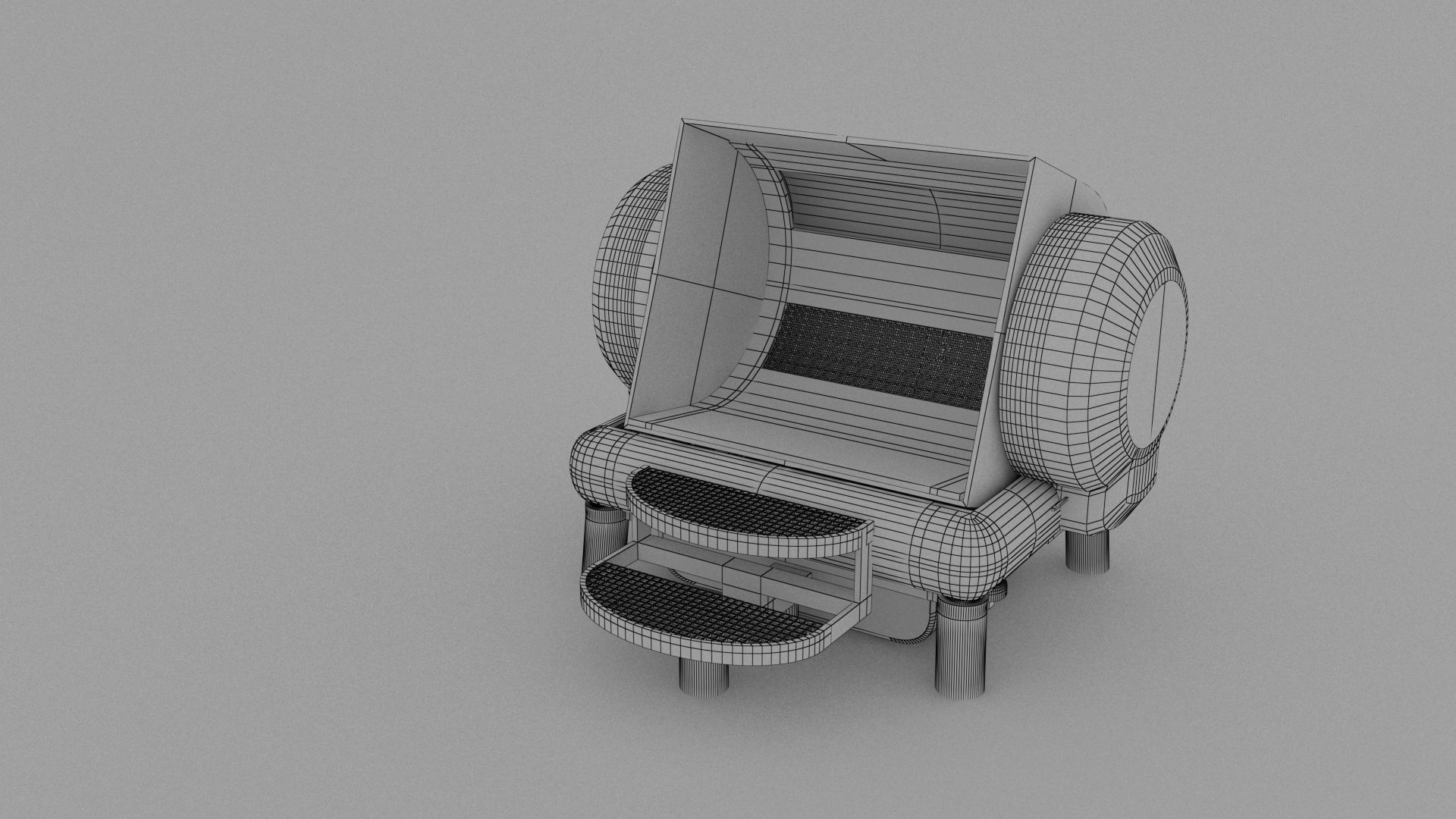
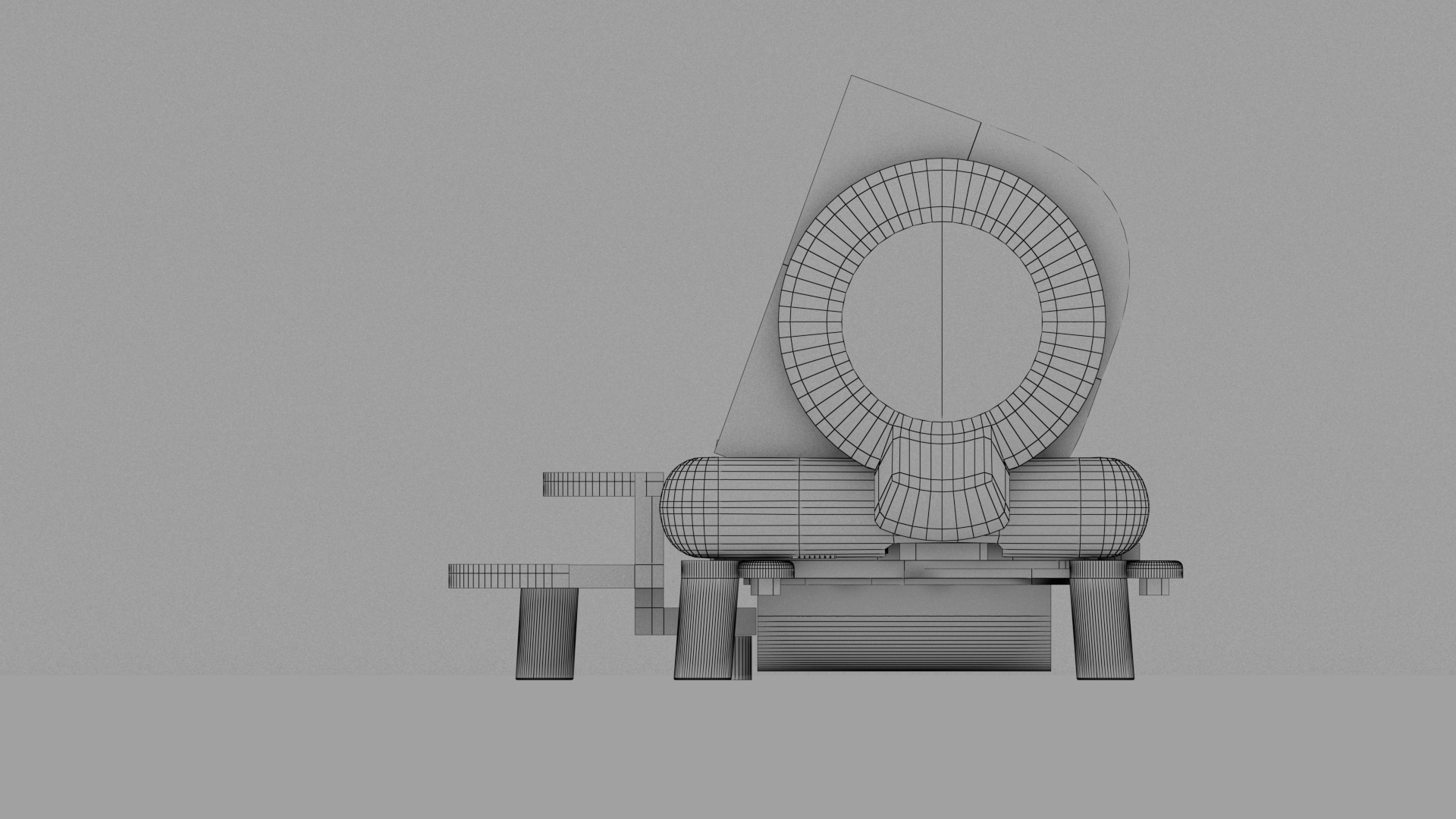
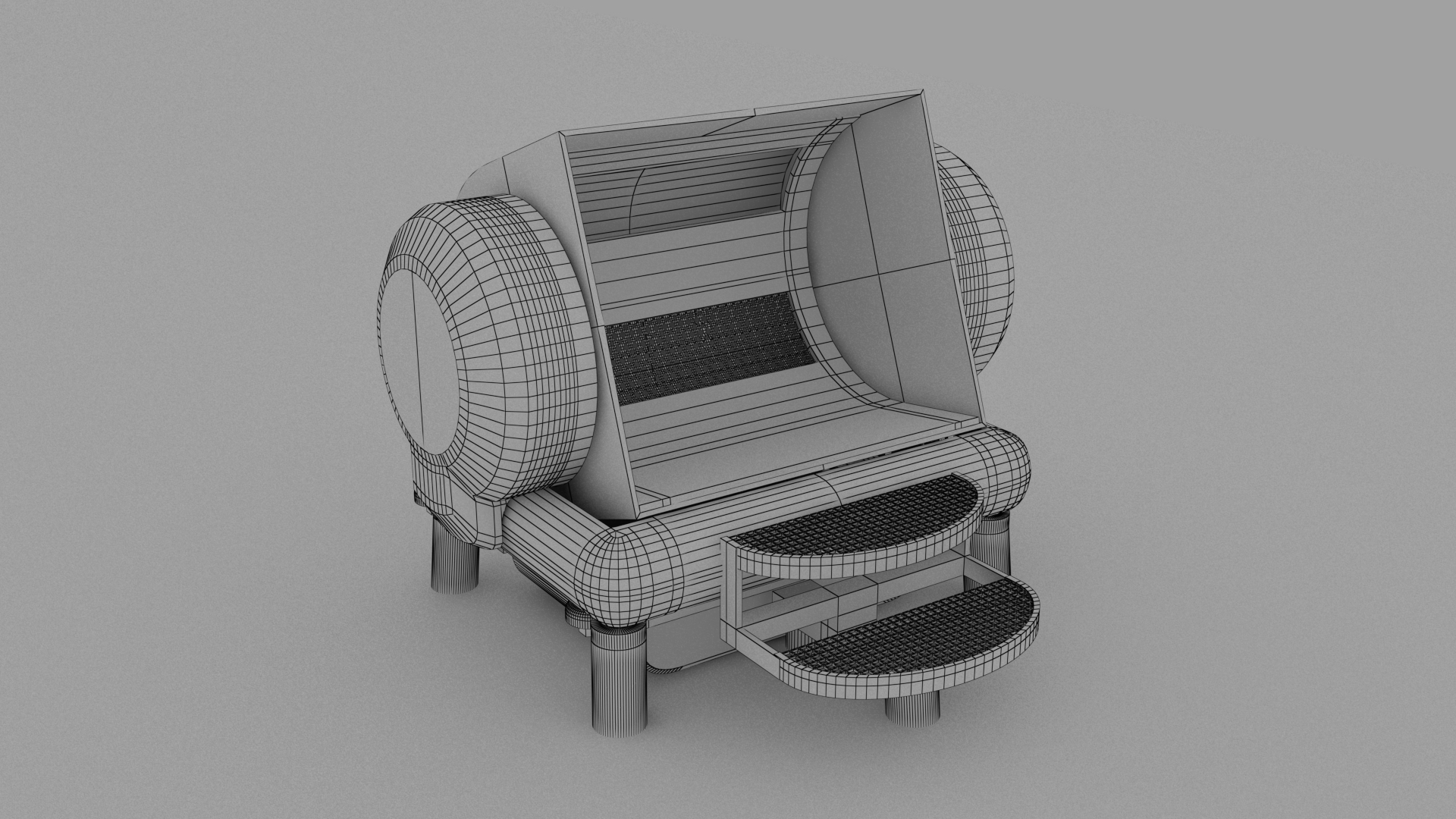
I started by creating a more realistic 3D model of what I want the final enclosure to look like: sleek, rounded, and clean, while still being practical for rotation and waste separation.
Front render
Left side render
Left side (alternate angle)
Top-down view
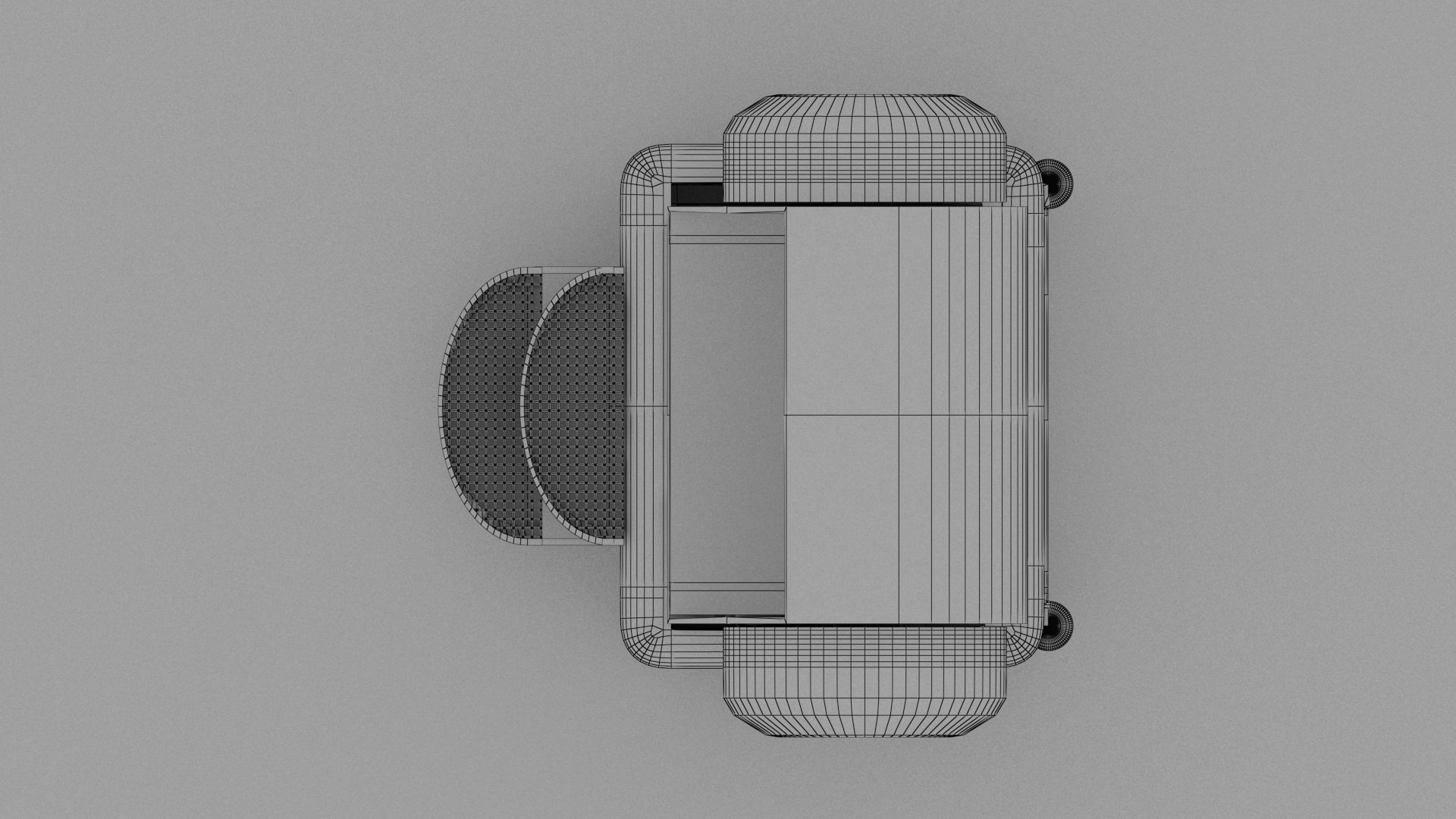
These renders helped me understand spacing, alignment, and how all internal components should sit relative to the rotating drum.
🛠️ Internal Structure & Mechanical Update
Once I had the 3D design settled, I moved on to the physical build.
Here are some snapshots showing the new chassis structure and internal layouts:
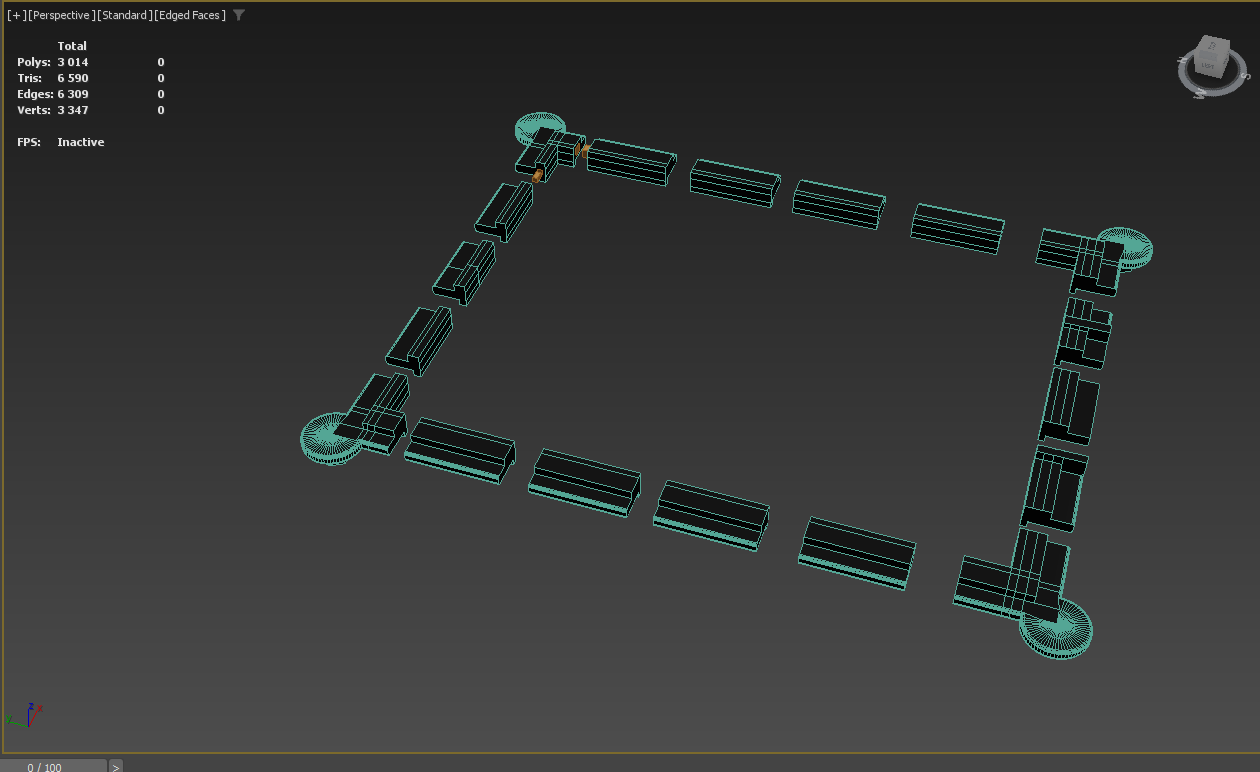
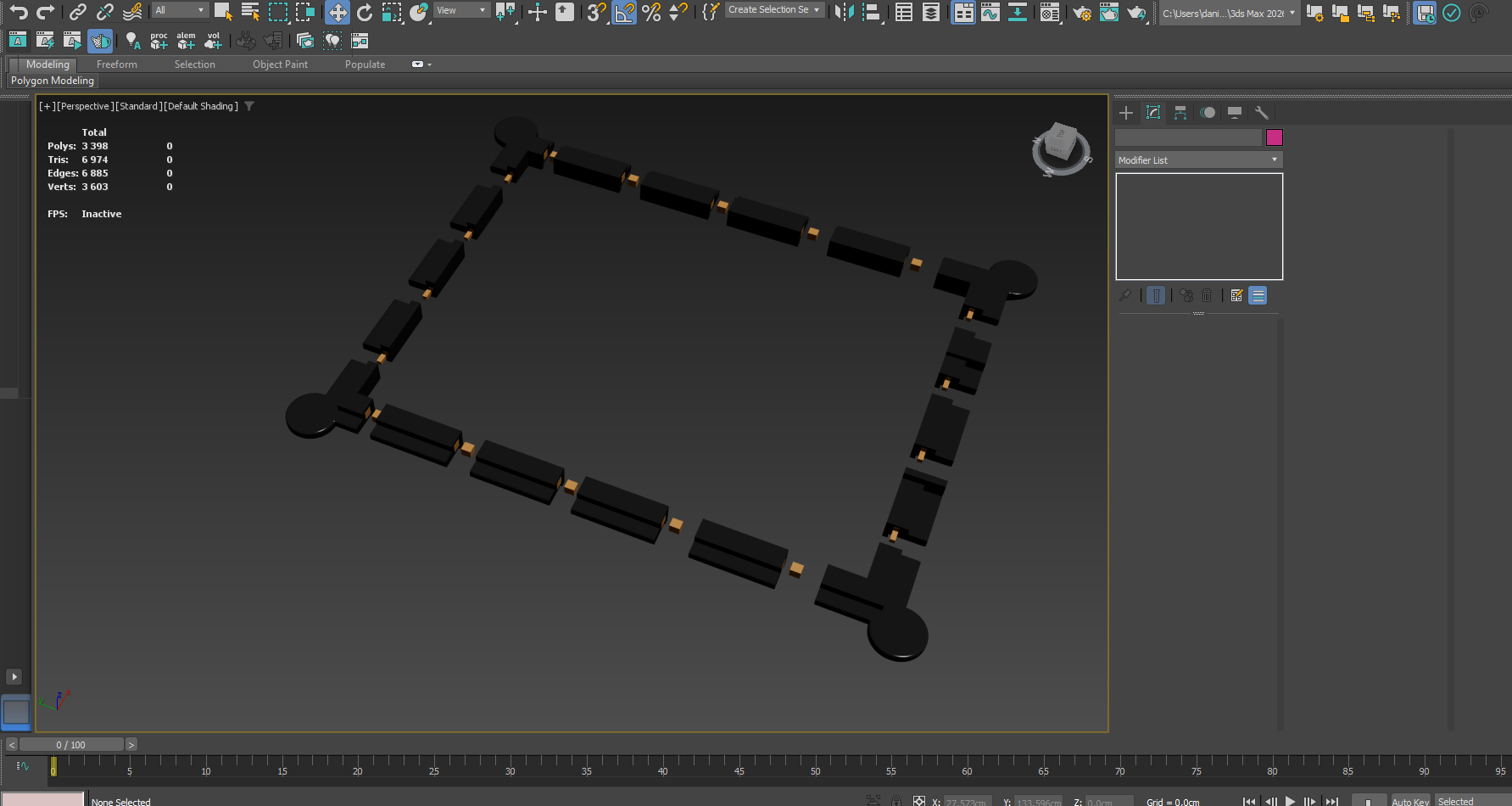
The updated frame is sturdier, the drum sits more correctly in its rotation path, and the internal supports are much more reliable than in the first prototype.
⚙️ Latest Mechanical Iterations
Here are the latest improvements to alignment, stability, and the waste separation geometry:
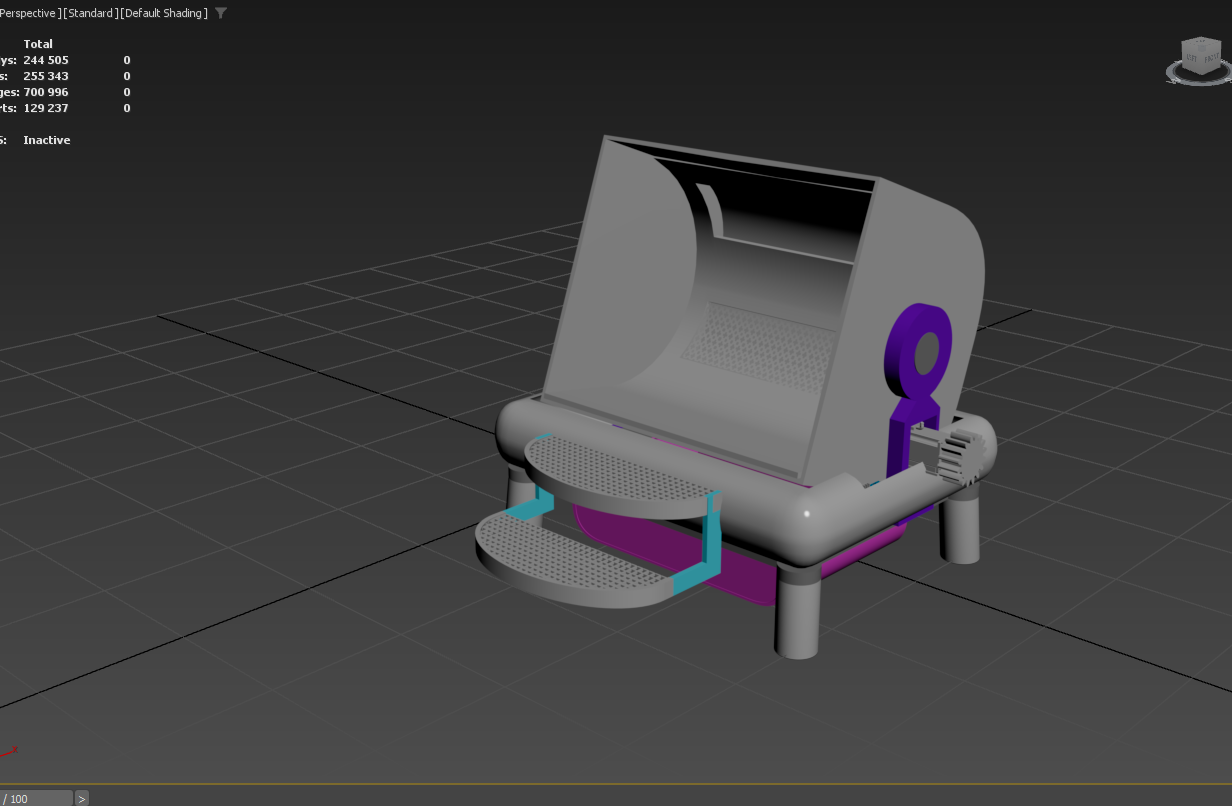
Rear structural updates
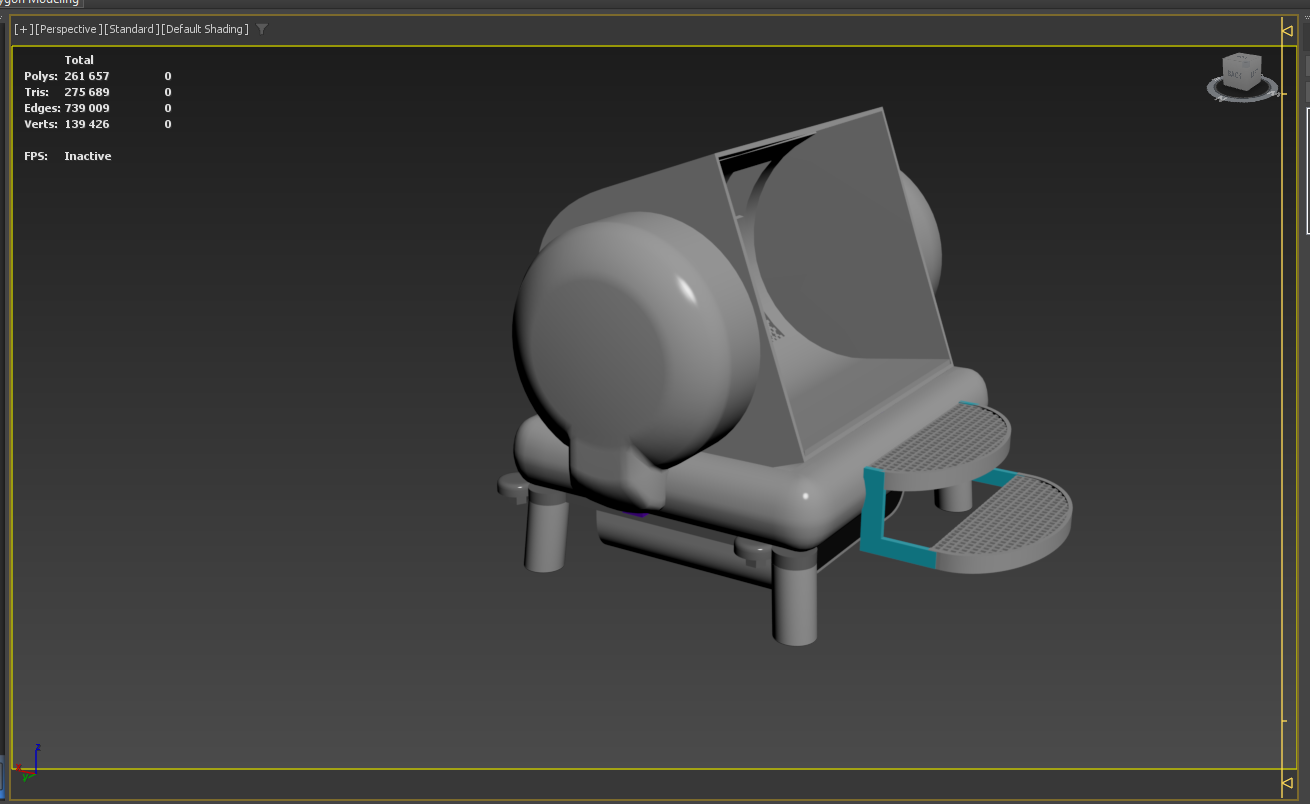
Updated waste-port opening & drum fit
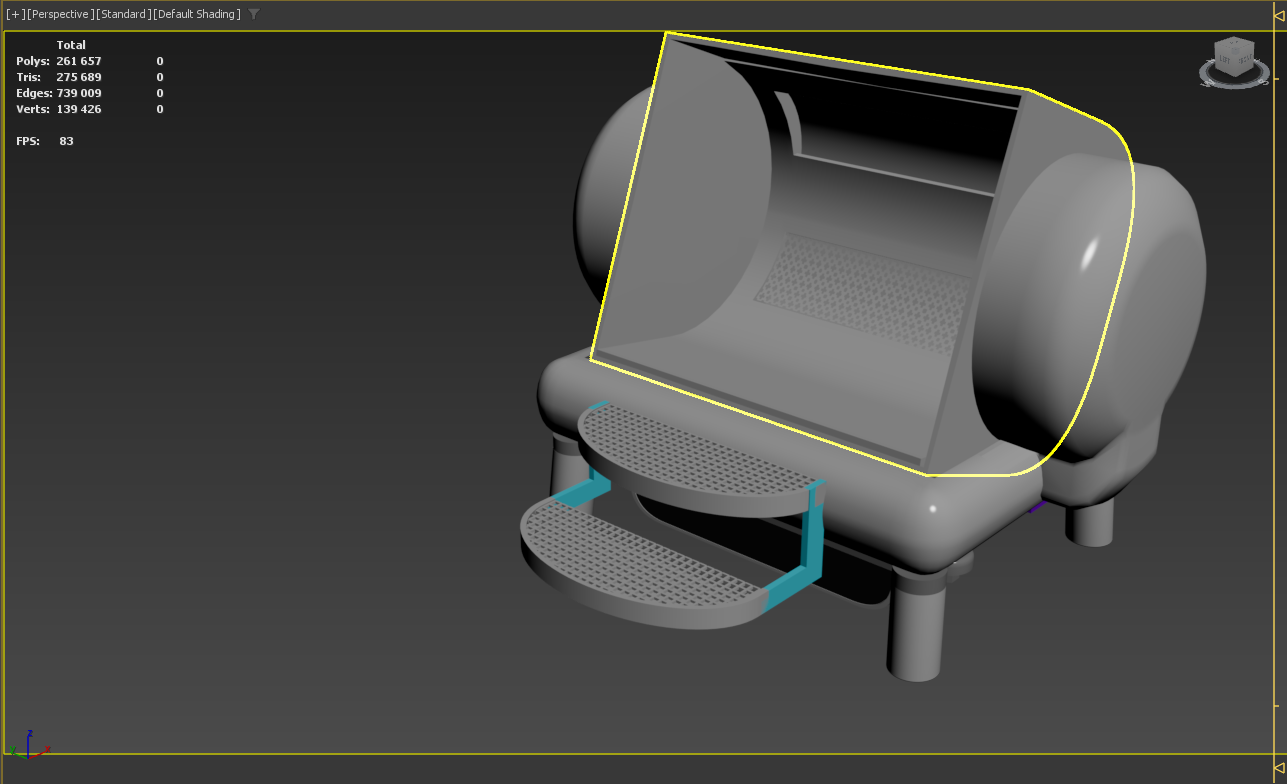
The updated form factor looks much closer to a consumer-ready design and gives me room to mount:
- a NEMA motor
- limit switches
- load-cell sensors
- microcontroller + power board
- interior LED status indicators
🚀 Next Steps
Now that the enclosure and internal geometry feel right, the next development stages will focus on:
- motor mount redesign
- smooth and safe drum rotation
- closed waste compartment
- cat-detection system (weight sensor or motion detection)
- automatic cleaning cycle logic
- noise reduction
- safety shutoff (cat enters during rotation)
The project is finally taking shape — and this updated prototype feels like a huge step toward a functional, fully automated litter box.
More updates will definitely follow!
Comments
Comments
Loading comments…